Low-inertia design
Low rotating inertia supports responsive load changes and practical control during engine performance testing.

 Home
About Us
Product
Home
About Us
Product
 Hydraulic dynamometer
Eddy current dynamometer
AC dynamometer
Engine cooling water column
Control and data acquisition system
Engine trolley
Recycling Water System
Hydraulic dynamometer
Eddy current dynamometer
AC dynamometer
Engine cooling water column
Control and data acquisition system
Engine trolley
Recycling Water System
 News
Contact Us
News
Contact Us
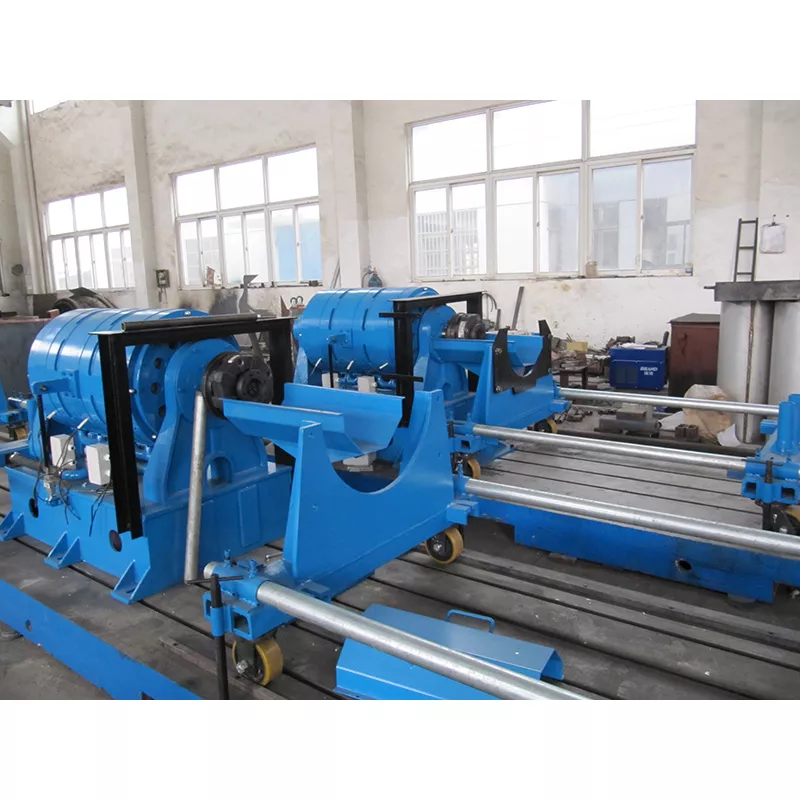
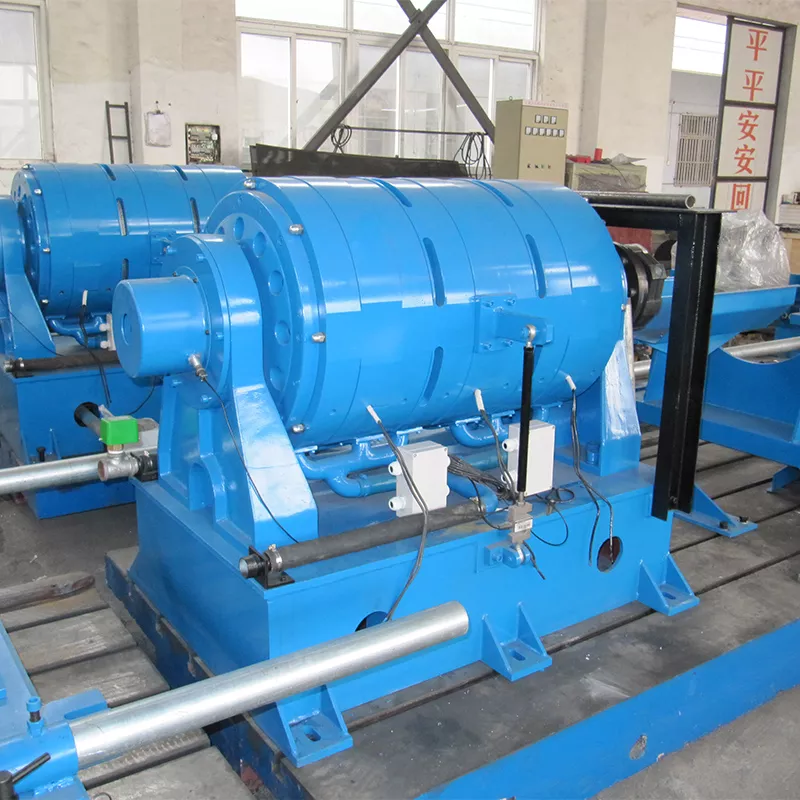
A low-inertia, water-cooled dynamometer range for automotive engine testing, combining controllable eddy-current braking with integrated torque and speed measurement.
Hance DE series eddy current dynamometers use an electromagnetic field to generate braking torque on a rotating element. The 20–720 kW range is designed for automotive engine applications and integrates with Hance control instrumentation.
Low rotating inertia supports responsive load changes and practical control during engine performance testing.
Cooling water removes the heat produced as mechanical engine power is absorbed by the dynamometer.
A strain-based load unit measures torque while a magnetic pickup and 60-tooth gear provide rotational-speed measurement.
Rugged absorber construction and nickel-plated water-contact components support long-term service.
The dynamometer creates load without mechanical friction surfaces being used as the primary braking mechanism. Electrical excitation controls the magnetic field and therefore the absorbed torque.
The connected engine drives the dynamometer rotor through the test-cell driveline.
The excitation system establishes the field required to induce eddy currents in the rotating assembly.
The induced currents oppose rotation, creating a controllable load on the engine under test.
The absorbed mechanical energy becomes heat and is carried away by the cooling-water circuit.
The DE series combines the absorber with the fundamental sensors needed to measure the engine operating point and provide feedback to the control system.
Strain-based load unit for torque measurement
Variable-reluctance magnetic pickup sensor
60-tooth speed gear for RPM measurement
Interface compatibility with Hance control instruments
Water-cooled power absorption system
Nickel-plated key components exposed to cooling water
The DE series spans a broad power range for different automotive-engine test programs. Final model selection depends on the complete torque-speed envelope, duty cycle, cooling-water conditions and required control response.
The combination of electronic load control, low inertia and water cooling makes the DE series a practical absorber for repeatable engine testing where motoring capability is not required.
Rated power is only one selection input. Correct matching protects the dynamometer and ensures that required engine operating points remain inside its usable absorption curve.
Key points for understanding the technology and preparing a model-selection request.
A magnetic field induces eddy currents in the rotating absorber. Their opposing electromagnetic effect creates controllable braking torque.
Yes. The supplied product information identifies the DE series as water cooled because absorbed engine power is converted into heat that must be removed.
The stated series range is 20 kW to 720 kW. The correct model must also be checked against torque, speed and duty-cycle requirements.
Torque is measured by a strain-based load unit. Speed is measured using a variable-reluctance magnetic pickup and a 60-tooth gear.
An eddy current dynamometer is primarily a power-absorbing device. If active motoring or four-quadrant operation is required, an AC dynamometer should be evaluated.
Connect the absorber with the appropriate control, cooling-water and alternative dynamometer technology.
Share the engine rating, operating range, duty cycle, cooling-water conditions and control requirements with Hance.